Acetone (25 L)
Stocked or sourced on request — ask the counter.
A composites shop runs on acetone the way an office runs on coffee — tool cleaning, surface prep, gelcoat wipe-down — with styrene monomer and specialist solvents alongside. Swachem’s Walvis Bay stock keeps the yards supplied by the 25-litre, with the flammables discipline coastal sheds full of resin and glass dust genuinely require.
Flammable solvents ship with dangerous-goods paperwork; storage-quantity guidance supports fire-permit compliance in yard environments.
Keep bench acetone in plunger-style dispensers — open coffee-tins of solvent are the Namibian yard tradition that costs a drum a month in evaporation and one fright a year in flash.
The lines boatbuilding & composites buyers draw from this category most.
Stocked or sourced on request — ask the counter.
Used to make plastics, paints, synthetic rubbers, protective coatings and resins.
Pack sizes on request
In stock: Windhoek & Walvis Bay
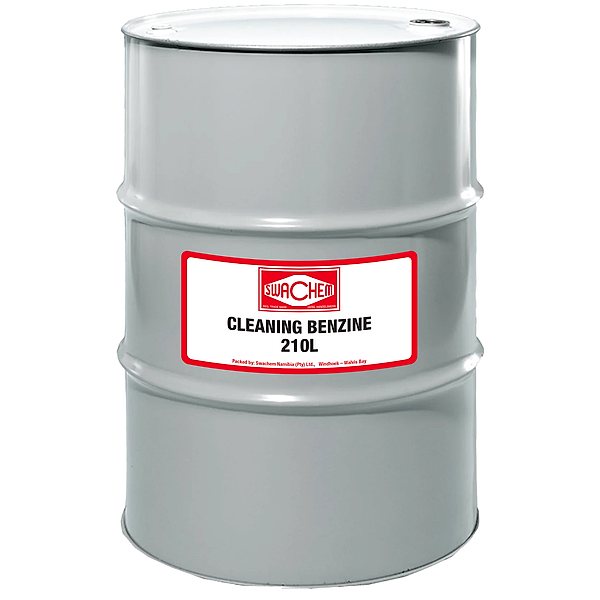
Used for cleaning surfaces and removing oil stains from clothes, as well as cleaning rubber surfaces before glueing.
Available in1000 L210 L25 L5 L750 ml330 ml
In stock: Windhoek & Walvis Bay
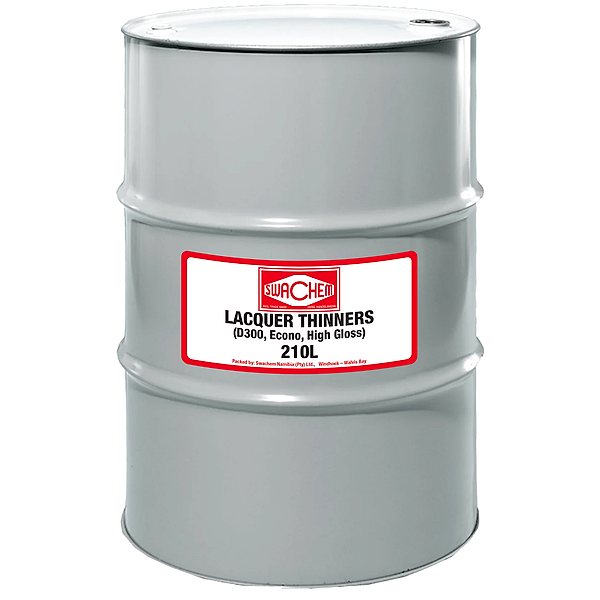
Good quality. Used for spray painting.
Available in210 L
In stock: Windhoek & Walvis Bay
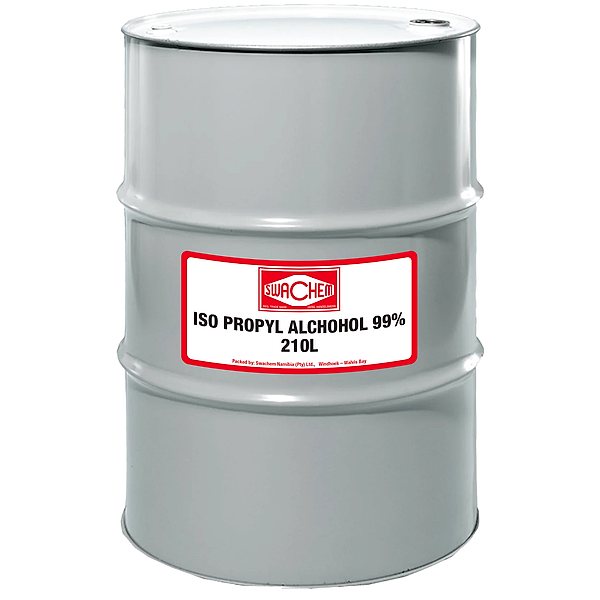
99% IPA for cleaning, disinfection and formulation.
Available in210 L
In stock: Windhoek & Walvis Bay
A month’s honest consumption and no more — typically a 25 L drum per active lay-up team — decanted into safety cans at the bench. Larger holdings just evaporate and raise your fire load. Our depot minutes away is the storage; standing weekly top-ups beat hoarding on both cost and safety.
Acetone on clean cloths, turned constantly, immediately before laminating — fog-season moisture and salt film condense on hulls overnight, and yesterday’s wipe is today’s contamination. For epoxy work, follow Sicomin’s guidance (IPA where specified). The cloth discipline matters as much as the solvent: one dirty rag re-contaminates a metre of prep.
Sparingly and knowingly: as a viscosity trim on thickened resin in hot weather, and in specific tooling and repair recipes — always within the resin system’s stated limits, because over-styrening embrittles laminate. It is a formulation tool, not a thinner for stretching resin. Ventilate hard; styrene announces itself honestly.
Settle and reuse first: contaminated acetone left sealed drops its resin load and the decant serves for first-pass tool cleaning — halving fresh consumption. The final residue is flammable waste: sealed, labelled, and disposed through the channels your municipality or environmental consultant specifies, never down a yard drain metres from the lagoon.
Swachem Walvis Bay · 4th Street East, Walvis Bay · Tel 064 204 865 · Monday – Friday, 08:00 – 17:00
Served primarily from Swachem Walvis Bay — 064 204 865. SDS, grades and delivery scheduling included in the quote.