Chemical Supply for Namibian Agriculture
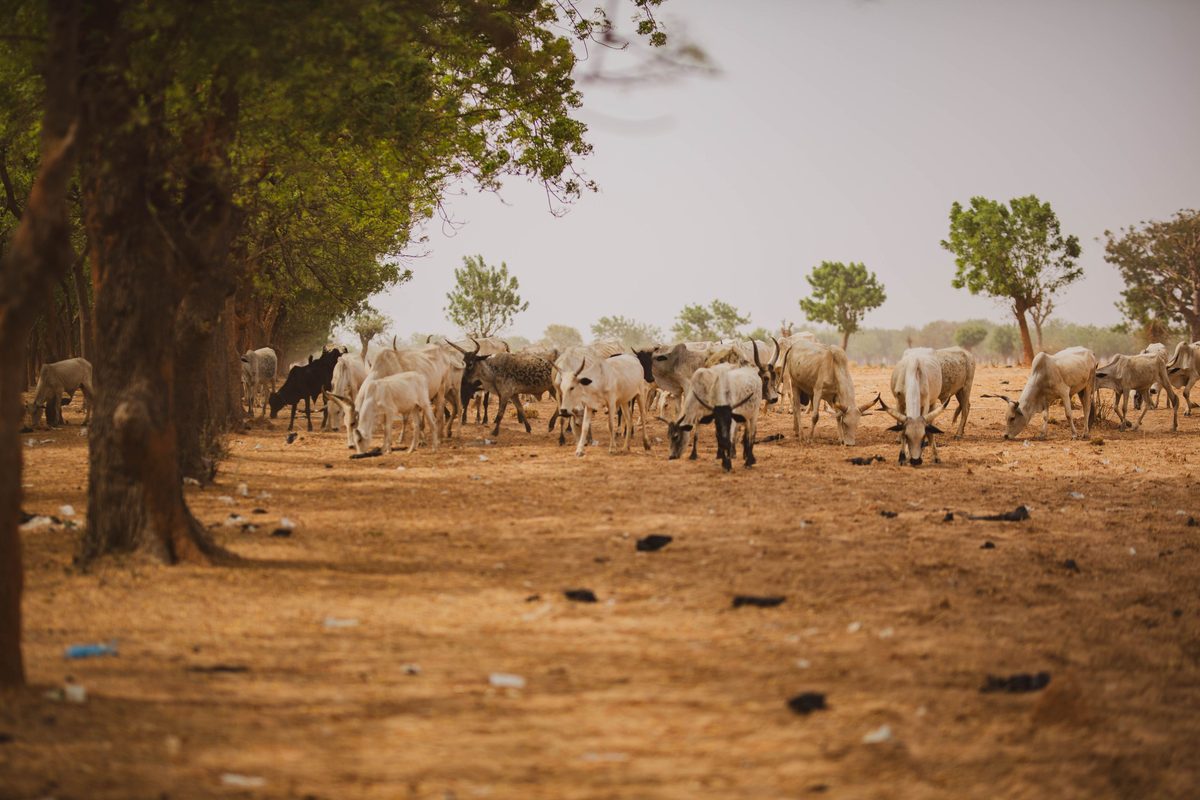
Namibian agriculture runs from vast cattle and game farms on the central plateau to the irrigation schemes at Hardap, Naute, Etunda and along the Orange, the maize triangle around Otavi–Tsumeb–Grootfontein, and a growing charcoal industry. Swachem supplies the chemistry behind all of it: urea and fertiliser salts, agricultural lime, copper sulphate, creosote for posts and kraals, the Biodyne biological range for soils and silage, dip-and-shed hygiene, rodent and fly control from the Efekto stable, and water-softening chemistry for the borehole water everything here depends on.
The problems we solve for this sector
- Long supply lines — a farm store cannot run out of dip, dosing or drain chemicals mid-season
- Hard borehole water scaling drippers, geysers and spray equipment
- Low-organic-matter alkaline soils needing biology as much as NPK
- Rodents and flies around feed, grain and dairy operations
- Timber posts and kraals attacked by termites and dryness
On the ground in Namibia
- Commercial farming concentrates north and east of Windhoek — the branch dispatches on the northern routes daily.
- Irrigation schemes (Hardap, Etunda, Orange River) apply Biodyne 401 through their systems; charcoal producers draw handling and hygiene products.
- Farmers buy in town or via co-op runs: our counter consolidates chemical lines that would otherwise mean three different suppliers.
Typical order: Typical order: a Grootfontein-district mixed farm buying 50 kg urea for licks, copper sulphate and ag lime, Supa-Kill wax blocks for the feed store, Agita for the dairy shed and a drum of water softener for the borehole line — one consolidated delivery on the northern freight run.
What agriculture buys from us
Category guides written for this sector — the products, the Namibian conditions, and the questions buyers actually ask.
Commodity Chemicals for Agriculture
From urea in the lick troughs of Otjozondjupa cattle farms to copper sulphate on the vines at Noordoewer, commodity chemistry is farm infrastructure in Namibia. Swachem stocks the agricultural staples — urea prills and granular, ag lime, copper sulphate, magnesium sulphate, creosote for the kraal posts — in 50 kg and 25 kg bags from Windhoek, riding the northern freight runs farmers already use.
Sector guide →
Biodyne for Agriculture
Namibian soils are short on the one input fertiliser cannot supply: biology. Decades of heat, low organic matter and alkalinity leave root zones microbially poor — which is the gap the Biodyne programme addresses. Environoc 401 through the pivot at Hardap or Etunda, 501 turning crop residue into soil instead of smoke, Biopro Silage in the bunkers, and Biot20 bringing Trichoderma against soil disease.
Sector guide →
Insecticides & Pest Control for Agriculture
On a Namibian farm the pest map is precise: rodents in the feed store, flies at the dairy and kraal, ticks on the dogs, termites at every wooden structure, and snakes where staff walk at night. The Efekto range Swachem distributes covers that map — wax-block rodenticide programmes, Agita at the milking shed, Karbadust in the kraal, Bio Kill in the farmhouse — with trade quantities for operations treating at scale.
Sector guide →
Water Treatment Chemicals for Agriculture
Almost every Namibian farm lives on borehole water, and almost every borehole delivers hardness that scales drippers, geysers, troughs and spray equipment. Swachem supplies the farm-scale answer: sequestrants and softeners for the supply line, SDIC for safe drinking water at the homestead and staff housing, and algae control for reservoirs baking under desert sun.
Sector guide →
Cleaning Chemicals for Agriculture
Farm hygiene in Namibia runs from the dairy parlour to the shearing shed, the game-processing room to the workers’ ablutions — often with export-linked standards (dairy, game meat) applying far from any inspector’s office. Swachem’s cleaning range covers it in farm logic: concentrates that travel well, caustic and sanitisers for milk and meat surfaces, degreasers for the tractor shed, and Santo for the long-drop realities of remote operations.
Sector guide →
Agriculture supply: your questions answered
What do you supply for livestock licks and feed supplementation?
The commodity range covers the chemical side of lick blending: urea (prills and granular, 50 kg), dicalcium-type mineral salts, sulphur, salt chemistry and dextrose where energy is formulated in. Urea in licks must be dosed strictly — it is toxic to ruminants above controlled levels — so blend to a recognised formulation and keep bags dry, because caked urea concentrates unpredictably. We supply consistent-spec product bag after bag, which is exactly what safe lick blending depends on.
Is Biodyne worth it on Namibian soils, and where do farmers apply it?
On irrigated lands, yes — our soils are typically alkaline and very low in organic matter, so the limiting factor is often biology rather than nutrients. Biodyne 401 adds a diverse, naturally occurring microbial population to the root zone, improving nutrient cycling and stress resilience; 501 accelerates crop-residue and compost breakdown; and Biopro Silage improves ensiling. Growers on the schemes apply 401 through irrigation at planting and mid-season. It complements fertiliser — it does not replace it.
What is the right rodent-control setup around grain and feed stores?
Tamper-resistant bait stations with wax blocks (Ultrakill or Supa-Kill) along walls and entry points — wax blocks survive dust, insects and heat where loose baits fail, and stations protect farm dogs and owls from direct and secondary poisoning. Map the stations, check on a schedule, and rotate actives if you see bait shyness. Everdeath dusting powder covers burrows and cavities. All of it is on our Efekto shelf, with trade quantities for larger operations.
Do you stock creosote for fence posts and kraals, and how is it applied?
Yes — Creosote 70 is in the range, the traditional preservative and termite repellent for posts, droppers and kraal timber, described in the catalogue as preserving wood products and repelling termites. Best practice is dip or soak treatment of the buried section (brushing alone protects poorly below ground), applied to dry timber. It is oily and persistent: gloves, no use on surfaces stock will lick, and never near water points. For decorative or house timber use the Woodoc range instead.
Serving Agriculture from our Windhoek branch
Swachem Windhoek · 2-8 Walter Street, Southern Industrial Area, Windhoek · Tel 061 235 051 · Monday – Friday, 08:00 – 17:00
Other industries we supply
Supplying agriculture across Namibia
Primary branch: Swachem Windhoek (061 235 051). Consolidated deliveries, SDS documentation and account facilities for the sector.