Chemicals for Namibian Food & Beverage Plants
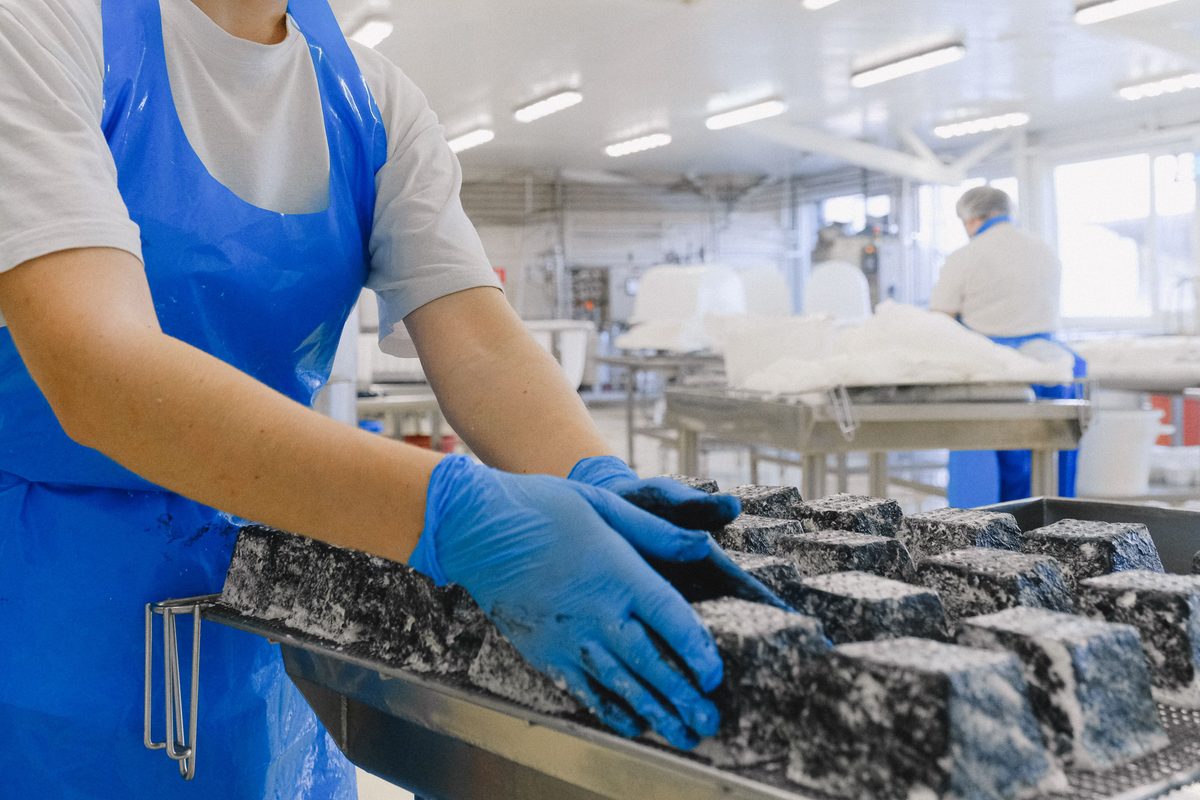
From export abattoirs and meat processors to Windhoek’s breweries and beverage plants, dairies and bakeries, Namibian food production runs on documented hygiene — much of it to EU export standards. Swachem supplies both sides of the plant: the food-grade ingredients (acetic acid 30 kg food grade, citric FFC, propylene glycol food grade, dextrose monohydrate) and the sanitation programme around production — caustic for CIP circuits, Actisan, Bactiwash and Bactidish at the hygiene stations, hypochlorite for surfaces, oven and grill cleaners, Agita fly control and Biodyne biologicals for the drains and grease traps.
The problems we solve for this sector
- Export-audit hygiene documentation — dilutions, contact times, SDS on file
- CIP circuits needing consistent caustic and descaling chemistry on hard water
- Flies at receiving and waste areas threatening audit scores
- Grease traps and drains generating odour and pest pressure
- Separating food-grade ingredients from industrial chemistry in one procurement flow
On the ground in Namibia
- Windhoek hosts the breweries, dairies and major abattoirs; Walvis Bay adds the fish canneries — both branches run food-industry accounts.
- Export abattoirs work to EU veterinary standards: our SDS and dosing documentation slot into their audit files.
- Inland hard water affects CIP performance — descaling frequency here surprises operators trained on soft-water assumptions.
Typical order: Typical account: a meat exporter drawing CIP caustic and descaler monthly, Actisan and Bactiwash for hygiene stations, Agita for the lairage walls, Biodyne 301 for the traps — with citric and acetic food grades for the production side on the same invoice.
What food & beverage buys from us
Category guides written for this sector — the products, the Namibian conditions, and the questions buyers actually ask.
Cleaning Chemicals for Food & Beverage
Namibian food plants clean under two masters: the export auditor (EU rules for the meat and fish that earn the country’s food-export income) and hard local water that fights every wash. Swachem supplies the programme both masters accept — caustic CIP chemistry with the acid step our water makes mandatory, documented food-area sanitisers, and hand hygiene at every station.
Sector guide →
Commodity Chemicals for Food & Beverage
Inside Namibian food production, commodity chemistry works both sides of the wall: food-grade acids and ingredients (citric FFC, acetic food grade, dextrose, propylene glycol) in the product, and industrial workhorses (caustic for CIP, soda ash for effluent) around it. Swachem stocks both with the grade segregation an audit trail demands — documented, separately stored, unambiguous on the invoice.
Sector guide →
Laboratory Chemicals for Food & Beverage
Every batch a Namibian food or beverage plant releases rests on bench work — titratable acidity, brix, pH, water activity, sanitiser strength. Swachem’s lab range through the ACE agency keeps the QC bench supplied locally: CP reagents, buffers and standards, refractometers and testers, so a QC manager’s reorder is a delivery, not an import project.
Sector guide →
Insecticides & Pest Control for Food & Beverage
Flies are an audit finding with wings — and in Namibian food plants, the pressure peaks exactly when production does, in the hot months. The Efekto range Swachem distributes anchors food-facility fly programmes: Agita painted onto the walls where flies rest, bait and gel systems in the amenity areas, rodent stations mapped around the perimeter, all documented the way an export audit expects.
Sector guide →
Biodyne for Food & Beverage
The dirty secret of food production is downstream: grease traps, drains and effluent carrying fats and organics that build, block and smell — in Namibian heat, quickly. Biodyne’s Environoc programme gives food plants a biological maintenance crew: 301 digesting fats and proteins in traps and drains continuously, 501 attacking organic sludge, both compatible with food-adjacent placement because the cultures are non-pathogenic.
Sector guide →
Food & Beverage supply: your questions answered
Which of your products are genuinely food grade, and how are they kept separate?
The food-grade lines are explicit in our range: acetic acid food grade 30 kg, citric acid mono FFC, propylene glycol food grade and dextrose monohydrate, with COAs available for your supplier file. They are sourced, stored and documented as food grade — not industrial product relabelled. Everything else we sell a food plant (caustic, sanitisers, descalers) is production-side chemistry that never touches product. Your quote and invoice mark the grades clearly so your QA system can trace them.
What does a CIP programme on hard Namibian water look like?
Caustic remains the workhorse — hot 1–2% solutions dissolve fats and proteins in tanks and lines — but inland water hardness means mineral scale builds under the organic soil, so periodic acid descaling (nitric- or phosphoric-based, from our acids range) is not optional here the way soft-water manuals imply. Sequence: pre-rinse, caustic wash, rinse, acid step on schedule, rinse, sanitise. We supply caustic in 25 kg bags, the acids, and test kits to titrate wash strength rather than dosing blind.
How do we control flies near receiving and waste areas without risking product?
Agita wall fly bait is designed for premises like yours: painted or sprayed onto walls and resting surfaces away from product lines, it controls nuisance flies without fogging production areas — which is why dairies, abattoirs and canneries standardise on it. Pair it with source control: Biodyne 301 in the drains and traps removes breeding substrate, and lids plus screening close the cycle. Document placements on your pest-control plan; the audit wants to see bait points mapped, not just flies absent.
Can Swachem support a small producer — a bakery or butchery — not just big plants?
Absolutely; the pack sizes scale down deliberately. A butchery runs the same programme as an export plant in principle — Bactidish at the sink, Actisan or hypochlorite on surfaces, degreaser for the floor, oven and grill cleaner in the bakery corner — just in 5 L instead of 25 L. Buy over the counter at either branch and the staff will write the dilutions on the containers. When health inspection asks for your cleaning schedule and SDS, we provide the paperwork that satisfies it.
Serving Food & Beverage from our Windhoek branch
Swachem Windhoek · 2-8 Walter Street, Southern Industrial Area, Windhoek · Tel 061 235 051 · Monday – Friday, 08:00 – 17:00
Other industries we supply
Supplying food & beverage across Namibia
Primary branch: Swachem Windhoek (061 235 051). Consolidated deliveries, SDS documentation and account facilities for the sector.