Chemicals for Namibian Construction
Building in Namibia means concrete that cures too fast in the heat, brickwork that needs acid-washing at handover, flat roofs that must survive ten months of UV before the first cloudburst tests them, and coastal structures fighting salt from the day the shutters strip. Swachem supplies the site chemistry: hydrochloric acid for brick and concrete cleaning, the waterproofing range from torch-on membrane to Elast-O-Crete tanking, repair mortars and crack fillers, Rockbreak expanding mortar for non-explosive demolition, silicone sealants, bonding agents, curing and cleaning solvents, and the Woodoc range for timber elements.
The problems we solve for this sector
- UV degradation of roofs, sealants and coatings — the Namibian failure mode
- Cement haze and efflorescence to clean at handover
- Rising damp and salt attack in older and coastal buildings
- Rock on site where blasting is impossible
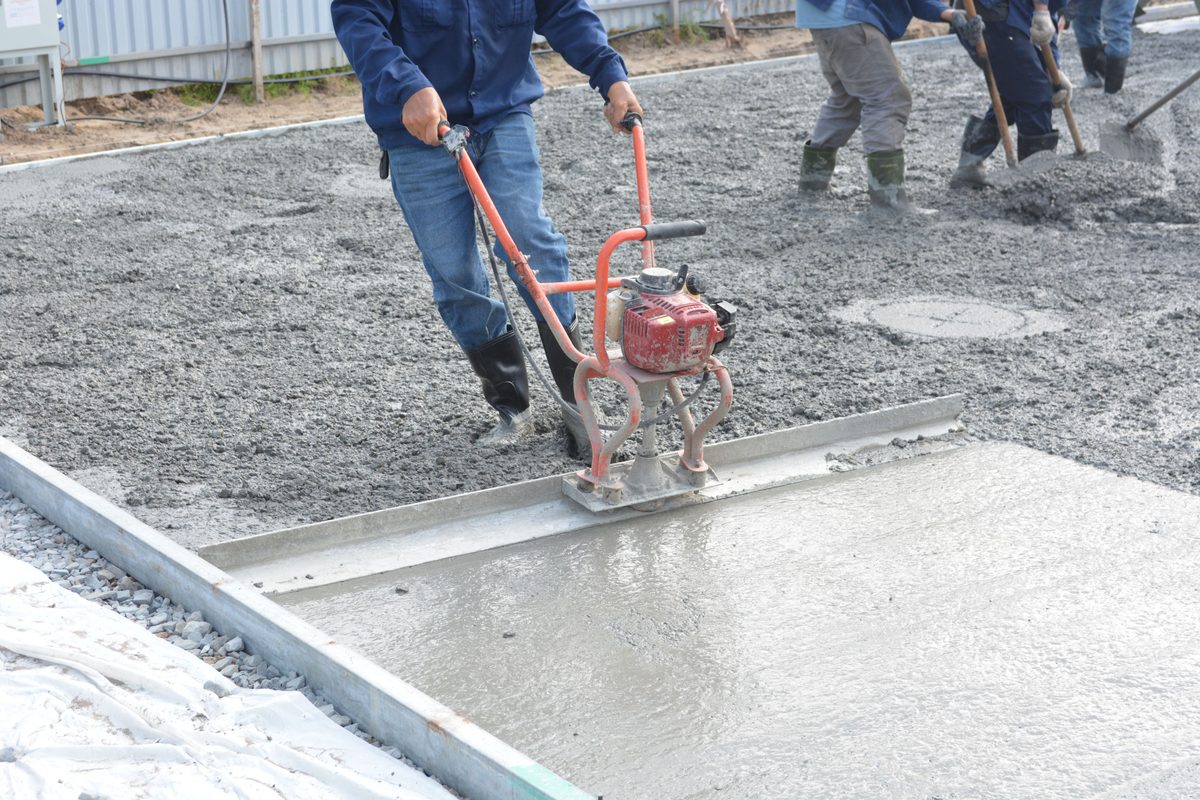
- Cracking from thermal movement and fast curing
On the ground in Namibia
- Windhoek’s expanding suburbs and infill drive steady demand; the depot is in the Southern Industrial Area contractors already pass daily.
- Coastal construction at Walvis Bay and Swakopmund fights salt-laden fog — damp-proofing and corrosion products move heavily at the coastal branch.
- Remote-site logistics matter: we consolidate site chemicals onto one vehicle with hazardous-goods paperwork done.
Typical order: Typical order: a Windhoek contractor at handover stage taking 25 L Spirits of Salts for brick cleaning, Elast-O-Crete kits for the bathrooms, exterior crack filler, silicone sealants in three colours and Woodoc 30 for the pergola — collected from Walter Street the same morning.
What construction buys from us
Category guides written for this sector — the products, the Namibian conditions, and the questions buyers actually ask.
Waterproofing for Construction
Namibian waterproofing is a UV problem wearing a rain disguise: membranes and coatings bake for ten months, then a single February cloudburst finds every shortcut. Swachem stocks the systems that survive that cycle — torch-on membrane for flat roofs, Elast-O-Crete tanking for wet rooms and planters, Cream D against the rising damp in older stock, and the repair mortars that fix what the last contractor skipped.
Sector guide →
Acids for Construction
Every Namibian handover has an acid stage: brick cleaning to strip mortar haze, concrete etching before coatings, rust conversion on steel that waited in the yard. Swachem sells the trade’s acid — Spirits of Salts by the 25-litre, packaged HD acid for the harder cases — with the dilution and safety guidance that keeps site staff whole and aluminium windows unpitted.
Sector guide →
Adhesives for Construction
Site adhesives in Namibia earn their keep in heat: mounting adhesives grabbing on 40 °C walls, silicones cycling daily through thermal movement, epoxies anchoring where drilling met reinforcement. Swachem stocks the construction bonding set — Pattex No More Nails, silicone sealants in the trade colours, Pattex Power Epoxy, floor adhesives by the 20-litre — plus the Pekay trade lines the finishing subbies ask for by name.
Sector guide →
Miscellaneous & Workshop for Construction
The last 5% of every Namibian project comes off our miscellaneous shelf: manhole covers for the services, expanding mortar where rock met the trench line, paraffin and cotton waste for the finishing trades, WD-40 in the site box, silica gel in the electrical panels. Swachem is where the QS sends someone at 7am — and where the genuinely odd requirement gets sourced rather than shrugged at.
Sector guide →
Woodoc Wood Treatment for Construction
Timber on Namibian buildings — pergolas, decks, doors, exposed trusses — is an architectural promise the climate immediately tests. Builders who hand over Woodoc-sealed timber hand over something that still looks right at the retention inspection. Swachem supplies the construction trade’s Woodoc: exterior grades by the project quantity, deck systems for the lodge builds, and the primer that makes hardwood behave.
Sector guide →
Construction supply: your questions answered
What is the correct way to acid-wash new brickwork, and what do I buy?
Spirits of Salts — hydrochloric acid, straight off our shelf — diluted roughly one part acid into ten parts water, applied to pre-wetted brickwork, scrubbed, and rinsed thoroughly before it dries. Pre-wetting matters: dry brick sucks acid deep and leaves white scumming later. Never let the wash dry on the face, work in shade where possible, and protect aluminium frames and glass from splash. For polished concrete floors, use a weaker dilution and neutralise with a soda-ash rinse afterwards.
Which waterproofing system should I spec for a flat concrete roof in Windhoek?
For a full roof, torch-on membrane (Y904/Y914) professionally applied — it is the system that survives Namibian UV and the thermal shock of a summer storm on a 60 °C roof deck. For parapets, flashings and maintenance recoats, Rubber Seal rubberised bitumen goes on by brush. Whichever you use, the UV-protective finish (mineral cap sheet or reflective coat) is structural to the system’s life here, not cosmetic. Detail the outlets and upstands first — that is where every Namibian flat roof actually fails.
We hit rock where we cannot blast — how does Rockbreak work?
Rockbreak is non-explosive demolition: drill a pattern of holes, mix the powder with water, pour, and its expansion over the following hours cracks rock or mass concrete silently — no licence, vibration or fly-rock, which is why it is used against boulders on serviced plots, trenching in rock, and demolition beside occupied buildings. Success depends on hole diameter, spacing and temperature, so take the guidance sheet with the product. One safety rule is absolute: never look down a charged hole, as blowouts can occur.
What do you have for rising damp and salt-blistered plaster in older buildings?
The remedial pair: Cream D injected into a drilled course forms a new damp-proof barrier against rising moisture without cutting out walls, and Elast-O-Crete or Damseal handles tanking and splash zones. The step builders skip — and then blame the product — is drying time and salt management: the wall must dry for weeks after treatment, and replastering needs a salt-resistant, breathable mix or the blistering simply returns. At the coast, specify this on every ground-floor renovation; salt-laden damp is the default condition there.
Serving Construction from our Windhoek branch
Swachem Windhoek · 2-8 Walter Street, Southern Industrial Area, Windhoek · Tel 061 235 051 · Monday – Friday, 08:00 – 17:00
Other industries we supply
Supplying construction across Namibia
Primary branch: Swachem Windhoek (061 235 051). Consolidated deliveries, SDS documentation and account facilities for the sector.