Swachem registered trade mark logo

Biodyne Bioremediation & Bio-Stimulation in Namibia

Swachem is the Namibian agent for Biodyne — the Environoc range of beneficial-microbe products that treat waste and boost soils biologically instead of chemically. Biodyne 101 degrades petroleum hydrocarbons in contaminated soil; 201 breaks down chlorinated compounds from herbicides and pesticides; 301 augments digestion in wastewater, grease traps and drains; 401 is the soil bio-stimulant for crops; and 501 accelerates composting and crop-residue breakdown. None are genetically modified — all are naturally occurring, non-pathogenic organisms.

BiodyneBio-RemediationBio-Augmentation (Wastewater)Bio-Stimulation (Soils & Crops)Composting & Residue Management

Typical applications

  • Diesel and oil spill remediation on farms, mines and depots
  • Effluent ponds, grease traps and drain maintenance
  • Municipal and abattoir wastewater support
  • Soil health programmes on irrigated crops
  • Compost and crop-residue acceleration
  • Aquaculture and dam water quality (Aqua Clear)

Why buy from Swachem

  • Naturally occurring, non-GMO, non-pathogenic microbial consortia
  • A biological alternative where chemicals are restricted or failing
  • Formats for ponds, traps, soils and spills (liquid and Innocubeads)
  • Agent-level technical support on dosing programmes

Featured biodyne products

From the 2024 catalogue — descriptions and pack sizes as published.

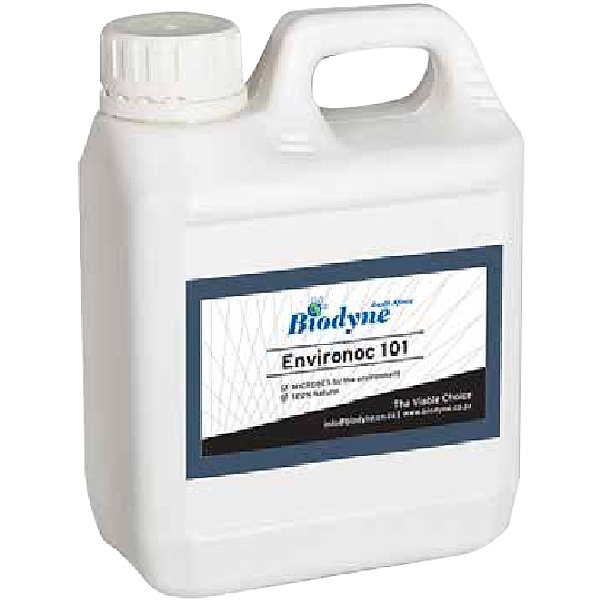
Biodyne Environoc 101 pack

Bio-remediation: degrades various petroleum hydrocarbons & hydrogen sulphides — the waste is metabolised into water & natural gases. For hydrocarbon-based contaminants and contaminated areas.

Pack sizes on request

In stock: Windhoek & Walvis Bay
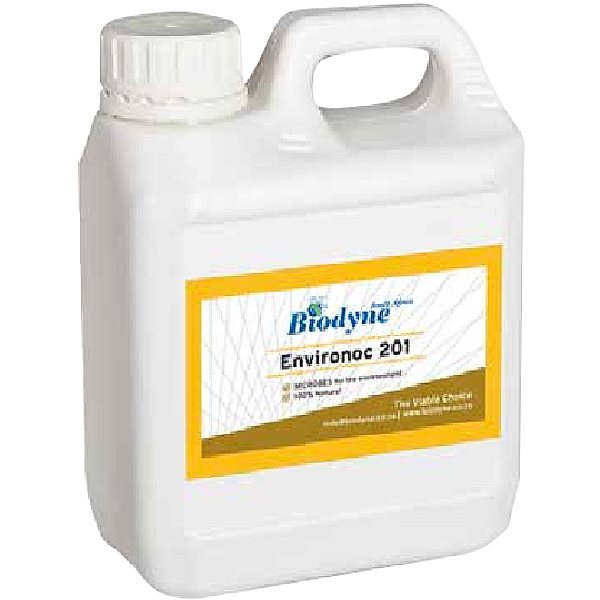
Biodyne Environoc 201 pack

Bio-remediation: degradation of chlorinated hydrocarbons such as those found in many herbicides & pesticides.

Pack sizes on request

In stock: Windhoek & Walvis Bay
The full biodyne range

The deeper range from our master product list — stocked or sourced on request. Ask for grades, pack sizes and bulk pricing.

Enzymatic Cleaners

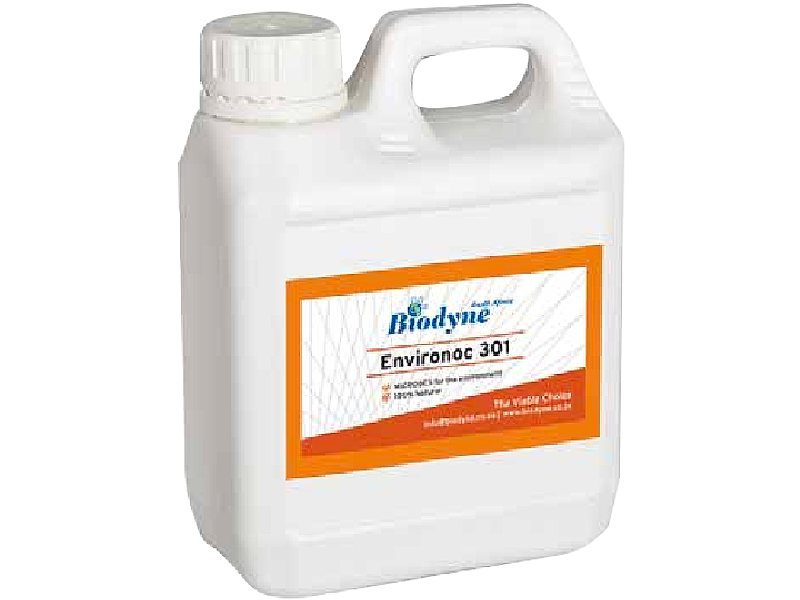
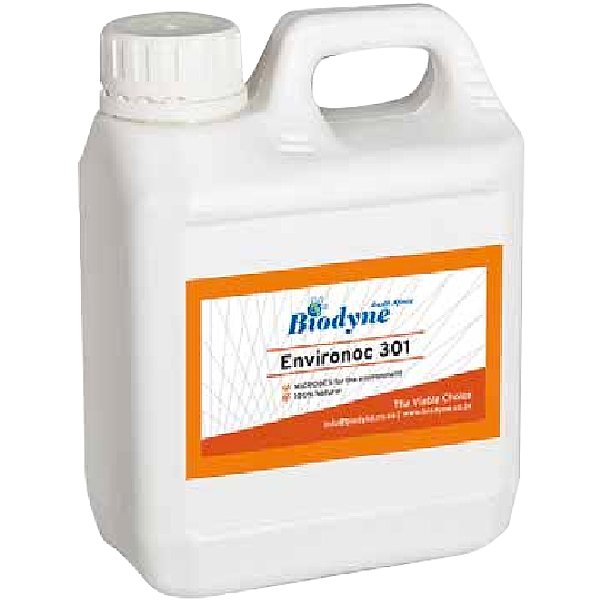
  • Biodeen Environoc 301 (Innocubeads, Liquid, Innocubeads Sample) pack

    Biodeen Environoc 301 (Innocubeads, Liquid, Innocubeads Sample)Biodyne

    Environoc 301 wastewater bio-augmentation culture — liquid and slow-release Innocubeads.

    Request a quote →

  • Biodyne Aqua Clear (500ml, general) pack

    Biodyne Aqua Clear (500ml, general)Biodyne

    Biological water clarifier for tanks, dams and aquaculture.

    Request a quote →

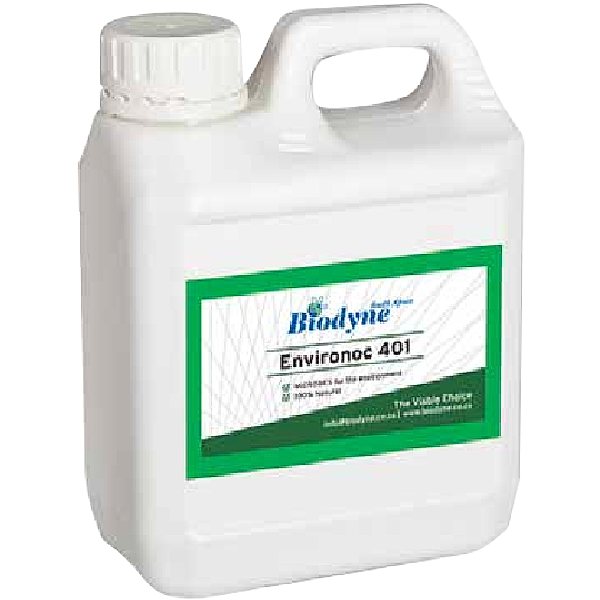
  • Biodyne Environoc 401 Liquid pack

    Biodyne Environoc 401 LiquidBiodyne

    Soil and plant bio-stimulant applied through irrigation.

    Request a quote →

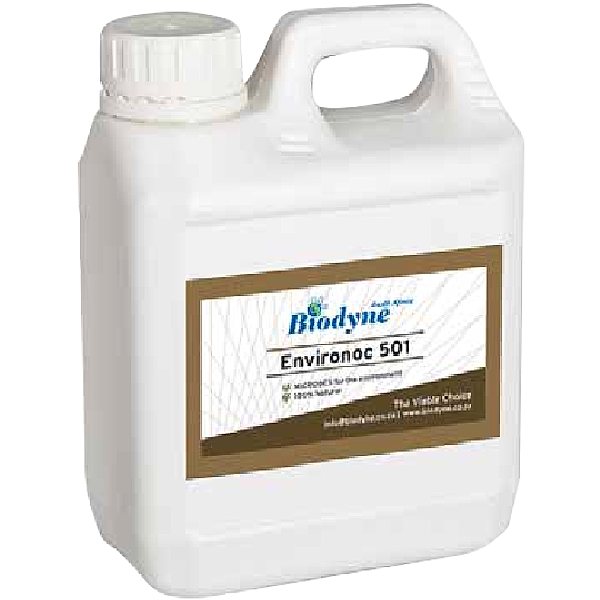
  • Biodyne Environoc 501 Liquid pack

    Biodyne Environoc 501 LiquidBiodyne

    Microbial culture for composting, crop residue and effluent organics.

    Request a quote →

  • Go Bio Biopro Silage 25LT pack

    Go Bio Biopro Silage 25LTBiodyne

    Silage inoculant for better fermentation.

    Request a quote →

  • Go Bio Biot20 - Trich pack

    Go Bio Biot20 - TrichBiodyne

    Trichoderma biological for soil disease suppression.

    Request a quote →

Biodyne: your questions answered

How does Biodyne 101 clean up a diesel spill, and how long does it take?

Biodyne 101 is a consortium of naturally occurring microbes that use petroleum hydrocarbons as food, metabolising diesel, oil and hydrogen sulphides into water and natural gases — the catalogue’s own description. Applied to contaminated soil with moisture and gentle tilling, visible results typically develop over weeks to months depending on contamination depth, temperature and moisture; Namibian heat actually helps, but dryness does not, so keeping the treated zone damp is the main management task. It is the practical option for farm fuel bays, generator sites and mine workshops where excavating and dumping soil is not.

Will Biodyne 301 stop our grease trap and drains from smelling?

That is its core job. Environoc 301 augments the microbial population in the trap so grease, proteins, fats and starch are digested rather than accumulating — and hydrogen sulphide, the rotten-egg smell, is metabolised in the process. Dose regularly (the Innocubeads format gives slow continuous release), keep bleach and strong disinfectant out of the trap because they kill the culture, and expect pump-out intervals to stretch substantially. Kitchens, abattoirs and fish factories run it precisely to stay ahead of hygiene inspections.

Is Biodyne 401 a fertiliser? How does it help crops in Namibian soils?

No — 401 adds biology, not nutrients. Its diverse population of beneficial microorganisms colonises the root zone, improving the fundamental soil–plant relationship: nutrient cycling and availability, organic-matter breakdown, and resilience under stress. In Namibia’s low-organic-matter, alkaline soils under irrigation, that biological layer is usually the missing ingredient rather than more NPK. Use it alongside your fertiliser programme — growers on the Hardap and Etunda schemes apply it through the irrigation system at planting and again mid-season.

Are Biodyne products safe around livestock, fish and staff?

The organisms are naturally occurring, non-pathogenic and not genetically modified — the catalogue states this directly — so they carry none of the handling burden of harsh chemical treatments. Aqua Clear is used in fish tanks and dams, and 301/501 around food-processing and farm environments. Ordinary hygiene applies (they are concentrated biological products: wash hands, avoid inhaling dry product), but no chemical PPE regime, no residues and no withholding periods. That safety profile is often the reason lodges and food plants choose the biological route.

Industries that buy biodyne

Related categories

Talk to us about a Biodyne dosing programme for your ponds, traps or lands.

Quotes the same business day wherever possible — from either branch, delivered across Namibia.