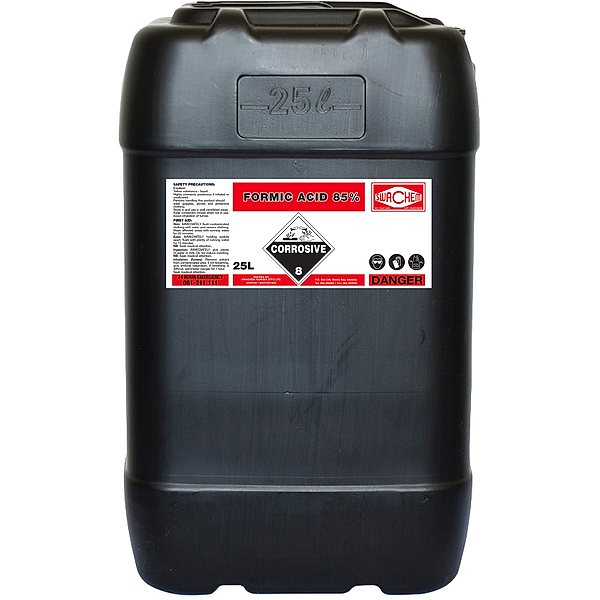
Used as a preservative and antibacterial agent in livestock feed.
Available in25 L
In stock: Windhoek & Walvis Bay
The catalogue says it plainly: hydrochloric acid is a "cleaning middle for taxidermies", hydrogen peroxide is for "skull, fats" and "bone whitening for trophies". Acid chemistry runs the trophy room — pickling baths holding skins stable, peroxide bringing European mounts to gallery white, oxalic and formic in the tanning sequence. Swachem stocks the full bench with the handling guidance the trade’s apprentices need.
Acids and peroxide ship with SDS and handling guidance; segregation-from-chlorine storage rules are flagged on every trade order.
Test pickle pH at closing time, not opening — Namibian shed temperatures accelerate the drift overnight, and the morning reading lies about what the skins endured since yesterday.
The lines taxidermy & trophy buyers draw from this category most.
Used as a preservative and antibacterial agent in livestock feed.
Available in25 L
In stock: Windhoek & Walvis Bay
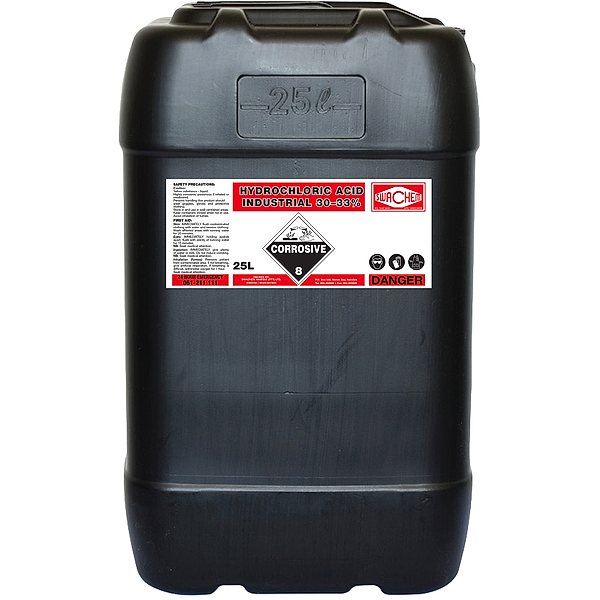
Cleaning middle for taxidermies. Main ingredient of Scale Remover and Spirits of Salt.
Available in25 L
In stock: Windhoek & Walvis Bay
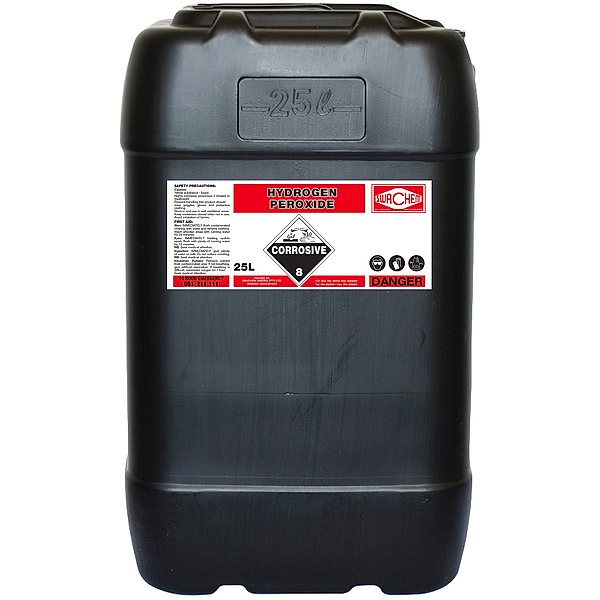
Cleaning middle for taxidermy (skull, fats, etc.). Used as a bone whitening for trophies.
Available in25 L
In stock: Windhoek & Walvis Bay
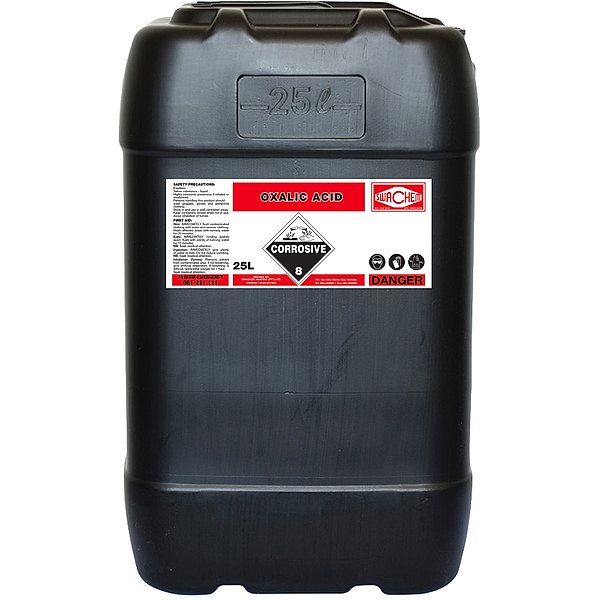
Acts as a reducing agent for metal oxides to remove tarnish as well as rust or ink stains.
Available in25 L
In stock: Windhoek & Walvis Bay
Stocked or sourced on request — ask the counter.
pH discipline below 2.5, tested daily not assumed: formic or sulphuric pickles drift upward as skins buffer them, and a bath that quietly reached pH 3.5 is growing bacteria in your inventory. Test strips cost cents; a season’s capes cost everything. Top up acid to the reading, log it, and change baths on load, not on smell.
Clean, degrease, then peroxide — in that order without shortcuts: macerated or beetle-cleaned bone, degreased until the water runs clear (weeks for warthog), then hydrogen peroxide soak or paste to gallery white. The catalogue’s "skull, fats" note encodes the truth: grease left under peroxide is the yellow bloom that appears in the client’s trophy room a year later.
Hypochlorite attacks the bone’s structural protein — the skull whitens today and chalks, flakes and crumbles over years, unrepairably. Peroxide oxidises stains without eating the matrix. The rule for apprentices is absolute: bleach cleans the floor, never the bone. We stock peroxide strengths for soak and paste work both.
Speciality stations: oxalic brightens bone and lifts iron staining (borehole-water marks on macerated skulls are a Namibian classic), HCl handles cleaning duties and descaling the shed’s equipment, and the pickle acids run the skin side. Each keeps its own labelled containers and its own corner — cross-contamination between skin and bone lines ruins both.
Swachem Windhoek · 2-8 Walter Street, Southern Industrial Area, Windhoek · Tel 061 235 051 · Monday – Friday, 08:00 – 17:00
Served primarily from Swachem Windhoek — 061 235 051. SDS, grades and delivery scheduling included in the quote.