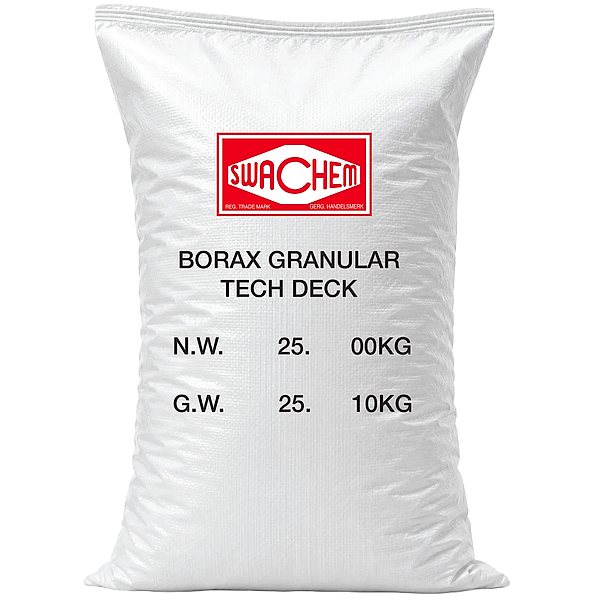
Borax Granular Tech Dek
IndustrialTaxidermies use this to get the fat off from the skin.
Available in25 kg
In stock: Windhoek & Walvis Bay
Namibia’s trophy industry runs on commodity chemistry the catalogue names explicitly: borax getting the fat off skins, salt curing capes in field sheds from the Kalahari to the Kaokoveld, alum in the tanning room. Swachem has supplied the taxidermy trade through every hunting season since the industry professionalised — 25 kg bags, trade accounts, and counter staff who know what a dip-and-pack operation actually orders.
Treatment chemicals are supplied with SDS and consistent specifications supporting veterinary dip-and-pack certification records.
Order the season’s borax in January — Namibian hunting season opens in February, every studio restocks the same fortnight, and the trade accounts that pre-ordered flesh while the walk-ins wait.
The lines taxidermy & trophy buyers draw from this category most.
Taxidermies use this to get the fat off from the skin.
Available in25 kg
In stock: Windhoek & Walvis Bay
CP-grade potassium alum for laboratory and taxidermy use.
Pack sizes on request
In stock: Windhoek & Walvis Bay
Stocked or sourced on request — ask the counter.
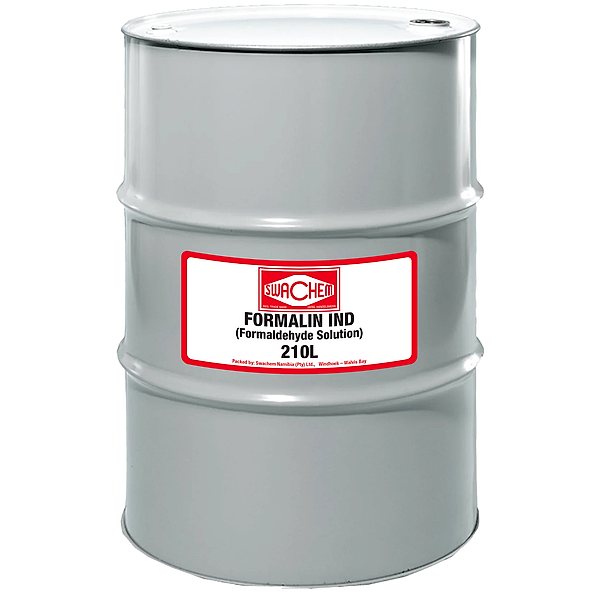
Kills fungi & bacteria. Used in preservation and to make soap mixtures.
Available in210 L
In stock: Windhoek & Walvis Bay
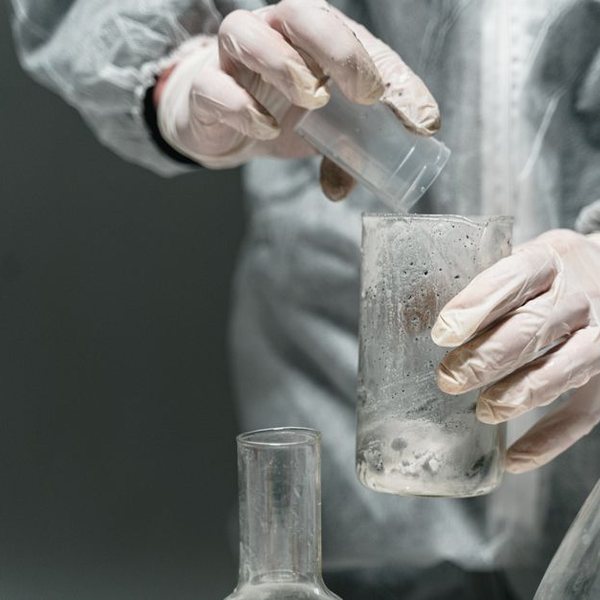
Bicarbonate of soda — buffering, cleaning, food and feed applications.
Pack sizes on request
In stock: Windhoek & Walvis Bay
More than anyone budgets: fleshing and degreasing across a season’s zebra, warthog and eland capes consumes 25 kg bags monthly at a mid-sized Windhoek studio — the catalogue’s note that taxidermists use it "to get the fat off from the skin" understates the tonnage. Trade accounts stock ahead of the February season-open rather than chasing bags in July.
Flesh promptly, salt heavily with fine salt into every fold and face detail, drain and re-salt within twenty-four hours, shade and airflow always — in Namibian heat, bacterial slip starts in hours and no studio chemistry recovers slipped hair. Studios that laminate this protocol for their farm suppliers receive capes worth mounting; the rest receive apologies.
In the traditional pickle-and-tan sequence many Namibian operations still run: alum stabilises and tightens skins post-pickle, particularly for dip-and-pack work headed to overseas finishing. It is unforgiving of pH drift — keep the bath tested (strips from our lab shelf) — and document the treatment for the veterinary export file.
Documented, consistent treatment: the dip-and-pack certificate attests specific chemical processes, so the products behind it need consistency (same spec every bag) and paper (SDS, our invoices as treatment-supply records). Export rejections are certificate problems long before they are chemistry problems — keep both files aligned.
Swachem Windhoek · 2-8 Walter Street, Southern Industrial Area, Windhoek · Tel 061 235 051 · Monday – Friday, 08:00 – 17:00
Served primarily from Swachem Windhoek — 061 235 051. SDS, grades and delivery scheduling included in the quote.