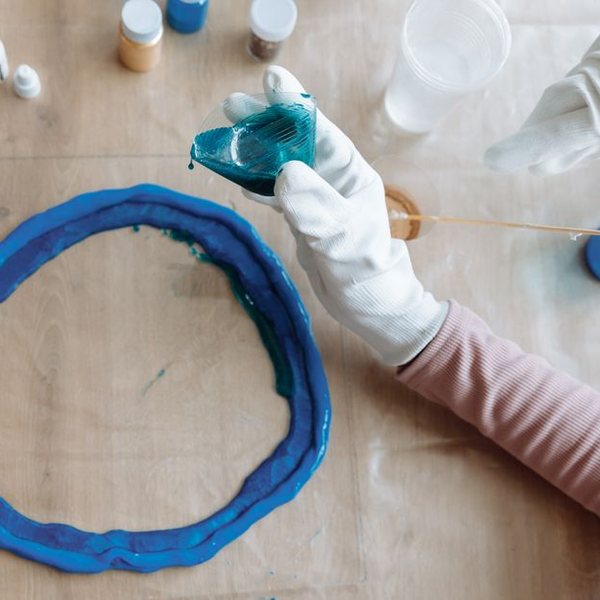
NCS 901 PA GP Resin
NCSThe general-purpose laminating polyester — canopies, repairs, moulds.
Pack sizes on request
In stock: Windhoek & Walvis Bay
Behind every dramatic Namibian mount stands composite work: resin forms carrying the anatomy, Dragon Skin moulds capturing noses and ears, casting resin building habitat rock and waterholes, pigments matching Kalahari sand. Swachem’s composites shelf serves the taxidermy studios from the same stock as the boatyards — scaled to studio quantities with the mould-making knowledge included.
Resins and catalysts ship with SDS; studio-scale packs are stocked so small operations avoid drum-quantity handling obligations.
Cast waterhole scenes in winter — inland dry-season air is bubble-free casting weather, and the summer pour that trapped a haze of micro-bubbles will haunt a full-mount scene forever.
The lines taxidermy & trophy buyers draw from this category most.
The general-purpose laminating polyester — canopies, repairs, moulds.
Pack sizes on request
In stock: Windhoek & Walvis Bay
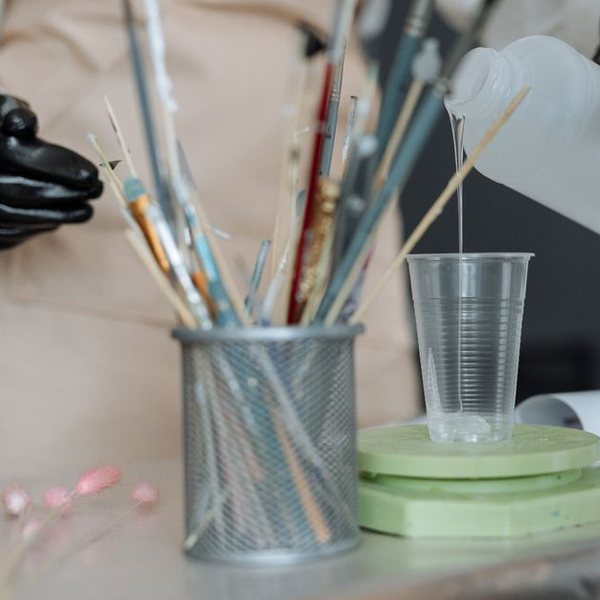
Water-clear polyester casting resin for embedding and decorative pours.
Pack sizes on request
In stock: Windhoek & Walvis Bay
Stocked or sourced on request — ask the counter.
Stocked or sourced on request — ask the counter.
Stocked or sourced on request — ask the counter.
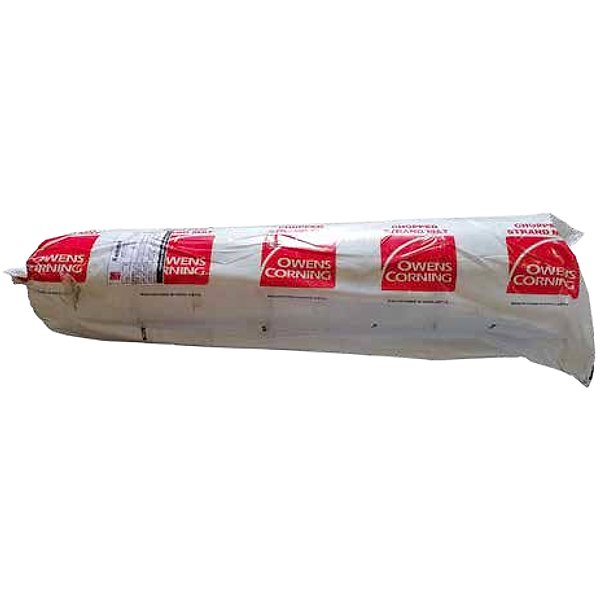
General purpose, for use to create fibreglass products.
Available in50 kg1 kg
In stock: Windhoek & Walvis Bay
The established Namibian studios largely do: a master sculpted or cast from a good carcass, a laminated GP-resin-and-mat mould, and the studio owns that species’ form forever — no freight, no waiting, and anatomy true to Namibian animals rather than American whitetail assumptions. The mould pays for itself by the third kudu.
Platinum-cure silicone — Dragon Skin — poured over the fresh reference: it holds pore-level detail through dozens of resin pulls and stays flexible for clean release. Ears, noses, fish heads and reptile work all run on it. Measure by weight exactly and keep sulphur-contaminated clays away; platinum silicones sulk near them.
Layered resin craft: GP resin over shaped foam and mat for the rockwork, real sieved Kalahari sand broadcast into a tack coat for ground (nothing fakes that colour), and NCS 215 clear casting resin poured in lifts for waterholes and streams. Pigment pastes tint the depths. The materials list is one counter visit.
Like the boatyards do: small catalysed batches, morning work, resin stored shaded — at 38 °C a standard mix gels while you position an ear liner. For clear casting especially, heat means micro-batches and patience; a rushed hot pour cracks and yellows in the trophy room. Winter is casting season for the wise.
Swachem Windhoek · 2-8 Walter Street, Southern Industrial Area, Windhoek · Tel 061 235 051 · Monday – Friday, 08:00 – 17:00
Served primarily from Swachem Windhoek — 061 235 051. SDS, grades and delivery scheduling included in the quote.