pH test strips & Go Bio Buffers
Stocked or sourced on request — ask the counter.
The professional edge of Namibian trophy work is measured: pickle pH tested, not guessed; solutions mixed to specification; preservation chemistry documented for export files. Swachem’s lab shelf serves the studios’ quality bench — test strips and buffers, formalin and preservation reagents, precise glassware — the small chemistry that protects five-figure mounts.
Formalin and CP reagents ship with SDS; measurement consumables support the documented-process records veterinary export certification favours.
Log every trophy number against its bath dates on a wall chart — when the veterinary office queries one crate in October, the studios with the chart answer that afternoon and ship; the others open every box.
The lines taxidermy & trophy buyers draw from this category most.
Stocked or sourced on request — ask the counter.

CP-grade formaldehyde solution for preservation and laboratory work.
Pack sizes on request
In stock: Windhoek & Walvis Bay
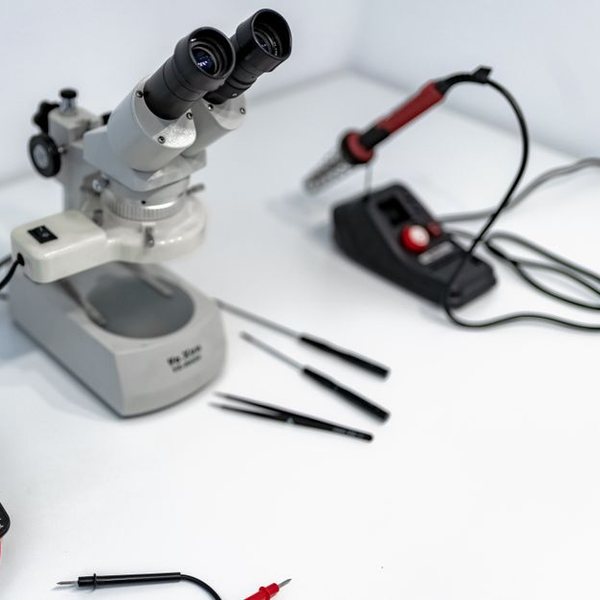
Pocket pH/conductivity tester for field water testing.
Pack sizes on request
In stock: Windhoek & Walvis Bay
Stocked or sourced on request — ask the counter.
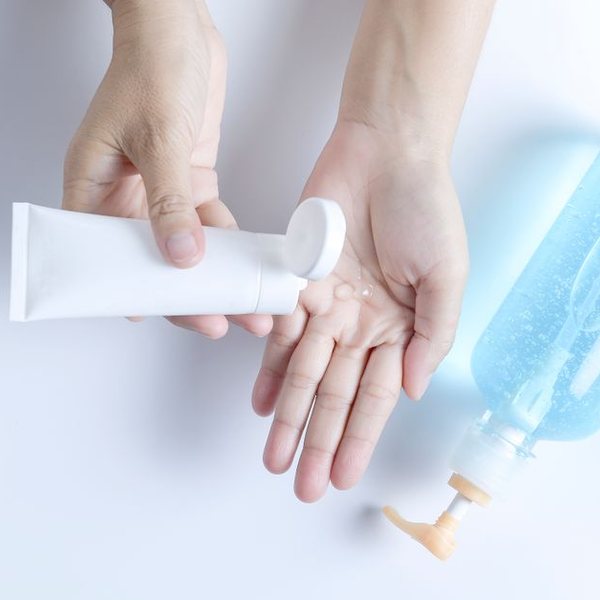
Keeps boxed products fresh and dehydrated.
Pack sizes on request
In stock: Windhoek & Walvis Bay
It converts luck into process: a pickle tested daily at pH 2 never slips a cape, a peroxide bath at known strength whitens predictably, a salt brine at measured saturation cures evenly — and when something does fail, the log says where. The measuring kit costs less than one ruined kudu cape; the established studios all run one.
Diluted to specification for wet preservation and specific treatment steps — CP-grade formaldehyde diluted with measure, not poured by eye — in ventilated conditions with gloves, because the vapour sensitises permanently. Reference specimens, fish work and certain export treatments call for it; the amber reagent bottles keep working dilutions stable and labelled.
Process logs the veterinary certificate can lean on: bath compositions, test readings, treatment dates per trophy number — mundane until a shipment is queried, then decisive. Our invoices document the supply side; your bench log documents the use. Studios that keep both answer export queries in minutes.
Namibia’s humidity whiplash: finished mounts, capes in storage and reference materials all suffer when the wet season loads a closed storeroom — indicator silica gel in the storage cabinets absorbs the swing and shows its own state by colour. Regenerate in the drying oven. It is the cheapest insurance in a room full of irreplaceable work.
Swachem Windhoek · 2-8 Walter Street, Southern Industrial Area, Windhoek · Tel 061 235 051 · Monday – Friday, 08:00 – 17:00
Served primarily from Swachem Windhoek — 061 235 051. SDS, grades and delivery scheduling included in the quote.