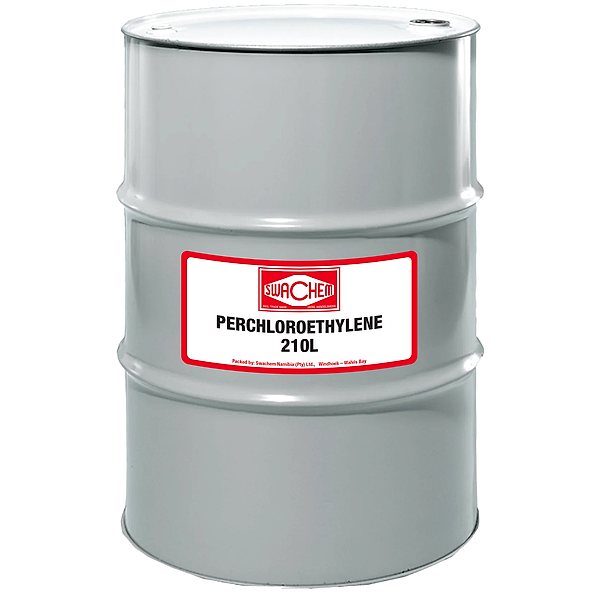
Dry cleaning agent.
Available in210 L
In stock: Windhoek & Walvis Bay
Degreasing is the invisible half of trophy quality, and it runs on solvents: perchloroethylene and benzine baths pulling grease from capes and skulls that borax alone cannot finish, methylated spirits and acetone in the finishing room. Swachem stocks the degreasing bench in trade sizes with the ventilation counsel that solvent-bath work demands.
Chlorinated and flammable solvents ship with dangerous-goods documentation; ventilation and storage guidance accompany trade supply to studio environments.
Run degreasing baths warm in winter — cold perc works at half pace, and the studios that heat their baths (safely, water-jacketed, never flame) turn warthog skulls around weeks faster in July.
The lines taxidermy & trophy buyers draw from this category most.
Dry cleaning agent.
Available in210 L
In stock: Windhoek & Walvis Bay
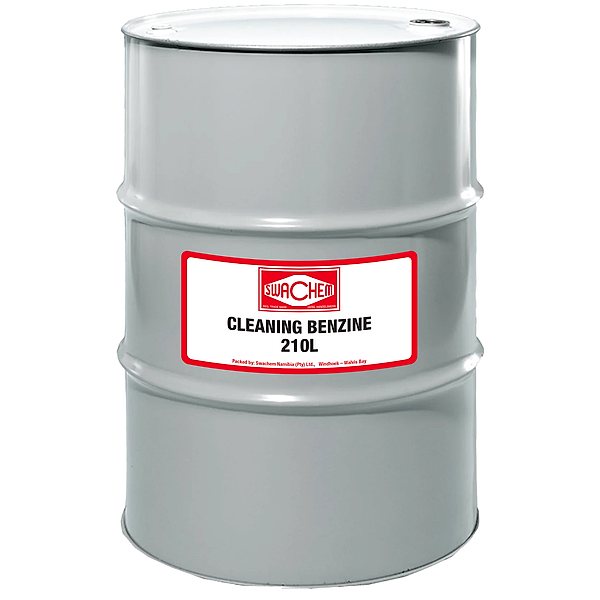
Used for cleaning surfaces and removing oil stains from clothes, as well as cleaning rubber surfaces before glueing.
Available in1000 L210 L25 L5 L750 ml330 ml
In stock: Windhoek & Walvis Bay
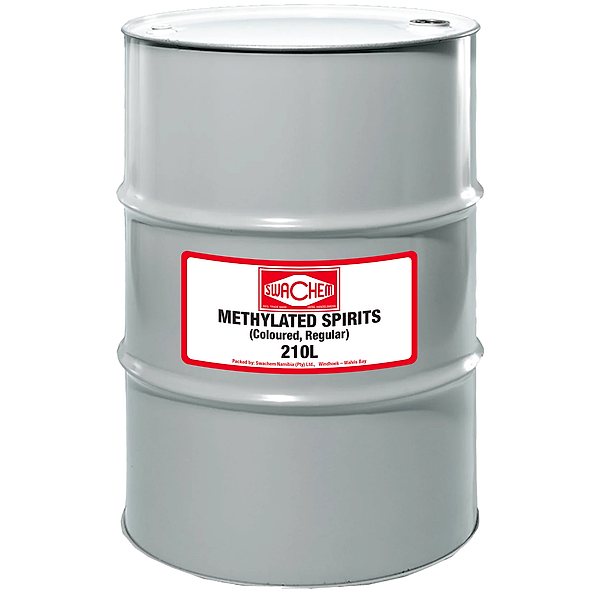
Everyday cleaning needs and other domestic jobs.
Available in1000 L210 L25 L5 L750 ml330 ml
In stock: Windhoek & Walvis Bay
Used as a solvent to manufacture plastics and other industrial products. Works great as a cleaning product for resin/fibreglass products.
Available in210 L
In stock: Windhoek & Walvis Bay
White Spirits used for cleaning purposes and as a solvent. Cleaning oils, tar marks, mixing paints, etc.
Available in1000 L210 L25 L5 L750 ml330 ml
In stock: Windhoek & Walvis Bay
The grease heavyweights: warthog and bushpig above all, zebra, eland and hippo work — their fat penetrates the skin structure where borax and washing stop at the surface. Repeated warm perchloroethylene or benzine baths pull what water chemistry cannot, and the difference appears a year later as mounts that do not sweat, yellow or smell.
Outdoors or open-sided, honestly: perc vapour is heavier than air and accumulates at floor level in closed sheds — the bath lives under a roof with open walls, lidded between uses, worked upwind. Benzine adds flammability to the brief: no flames, no grinders nearby. The SDS sheet ships with the drum; laminate it at the bath.
Dedicated labelled containers per job: the spirits jar for shellac-side work never meets the acetone that cleans resin tools, and turpentine for oil-finish bases stays off the airbrush bench. Cross-contaminated solvents announce themselves as fisheyes and blushing on a finished mount — the most expensive centimetre of sloppiness in the studio.
Settle, decant, reuse — spent perc drops its grease load when left sealed, and the decant serves early bath stages, cutting fresh consumption by half. The final residue is hazardous waste: sealed, labelled, and routed per municipal guidance, never into the ground behind the shed where the borehole remembers everything.
Swachem Windhoek · 2-8 Walter Street, Southern Industrial Area, Windhoek · Tel 061 235 051 · Monday – Friday, 08:00 – 17:00
Served primarily from Swachem Windhoek — 061 235 051. SDS, grades and delivery scheduling included in the quote.