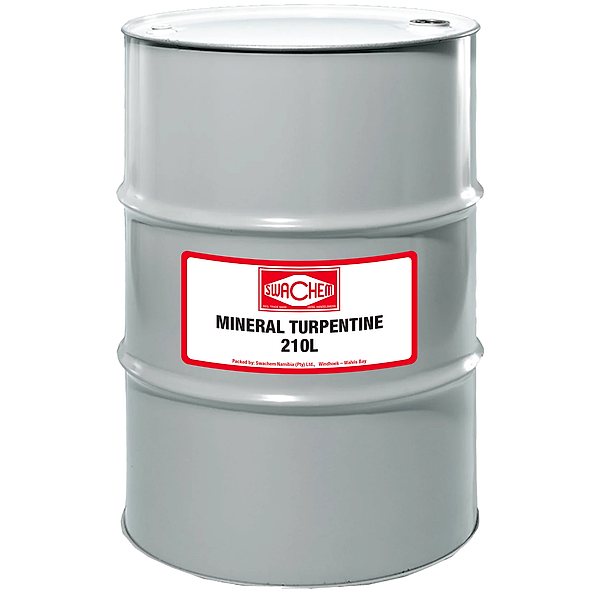
White Spirits used for cleaning purposes and as a solvent. Cleaning oils, tar marks, mixing paints, etc.
Available in1000 L210 L25 L5 L750 ml330 ml
In stock: Windhoek & Walvis Bay
The finishing room’s support chemistry: turpentine and thinners behind oil and solvent-based finishes, linseed oil raw and boiled for the traditional work, methylated spirits for shellac and cleanup. Swachem stocks the woodshop solvent shelf in trade sizes — with the fire-discipline advice that oily rags in a dry climate make non-negotiable.
Flammable solvents ship with SDS; oily-rag handling guidance is included with linseed oil supply to workshops.
Decant linseed oil into full small bottles — half-empty containers skin and thicken fast in Namibian heat, and the skinned half-litre thrown away yearly quietly costs more than the decanting habit.
The lines woodworking & timber buyers draw from this category most.
White Spirits used for cleaning purposes and as a solvent. Cleaning oils, tar marks, mixing paints, etc.
Available in1000 L210 L25 L5 L750 ml330 ml
In stock: Windhoek & Walvis Bay
Stocked or sourced on request — ask the counter.
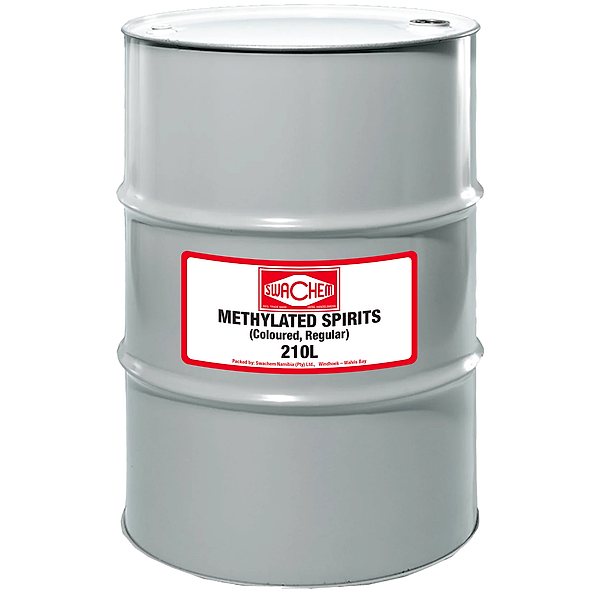
Everyday cleaning needs and other domestic jobs.
Available in1000 L210 L25 L5 L750 ml330 ml
In stock: Windhoek & Walvis Bay
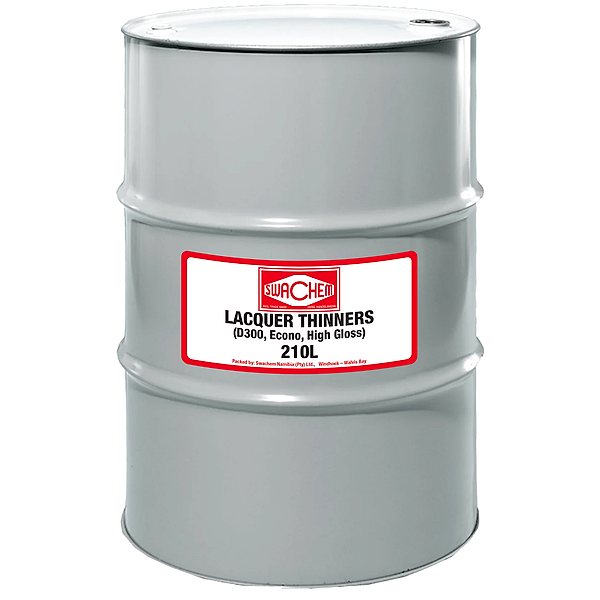
Good quality. Used for spray painting.
Available in210 L
In stock: Windhoek & Walvis Bay
Wood-treatment solvent carrier.
Available in210 L
In stock: Windhoek & Walvis Bay
The catalogue states it neatly: raw is thinner with easy absorption, boiled thicker and slower — practically, raw feeds deep into dense or aged timber (first coats, restoration), boiled builds surface and dries in workable time (topcoats, maintenance). Cut first coats with turpentine on thirsty stock. Neither is a UV shield; they are feeders and beautifiers.
Completely real and locally worse: linseed-oiled rags self-heat as they cure, and Namibian dryness turns a bundled rag into ignition hours later — workshops have burned for a wastebasket. The rule is flat: rags dry flat outdoors or drown in a sealed water tin, every session, no exceptions, and it goes in the induction speech.
Three jars and patience: turpentine for oil-based (two-stage — dirty jar then cleaner jar, letting the dirty settle for reuse), methylated spirits for shellac, lacquer thinners for lacquers — never cross-contaminated, because yesterday’s oil in today’s spirits ruins tomorrow’s french polish. The settle-and-decant habit halves solvent consumption.
Water content: shellac dissolved in wet spirits blushes and rings — the classic french-polish heartbreak — and our methylated spirits runs consistent and dry enough for finishing work. Buy fresh for fine work (opened bottles pull moisture even here), and keep the finishing bottle separate from the burner-and-cleanup supply.
Swachem Windhoek · 2-8 Walter Street, Southern Industrial Area, Windhoek · Tel 061 235 051 · Monday – Friday, 08:00 – 17:00
Served primarily from Swachem Windhoek — 061 235 051. SDS, grades and delivery scheduling included in the quote.